![banner image for the post [Informative] Block Creation and view its detail on our BlocksScan Explorer](/_astro/banner.BxMxqnJN_Z1NLQK0.webp)
Hey there, fellow enthusiasts of blockchain technology! Ever been curious about the process behind creating new blocks on a blockchain and how to access their intricate details? Well, get ready for an exciting journey as we delve into the captivating realm of blockchain!
Whenever a transaction is successfully mined on the blockchain, a new block is created, complete with essential data such as epoch, parent hash, timestamp, nonce, and gas price. This entire process mirrors a digital race, where miners employ powerful computers to solve intricate puzzles known as proof-of-work (PoW) algorithms. By cracking these puzzles, miners contribute to adding new blocks to the blockchain, an integral aspect of maintaining the security and trustworthiness of the entire system.
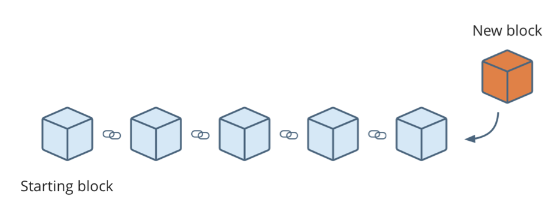
After solving the PoW algorithm, a miner forms a new block, containing validated transactions, previous block hash, and a unique nonce.
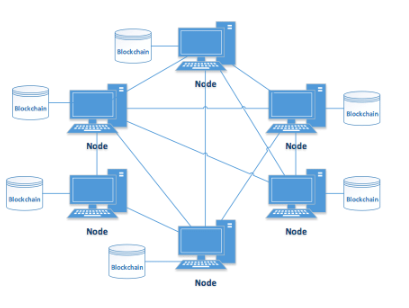
This freshly minted block is then shared across the network, where other nodes verify its authenticity.
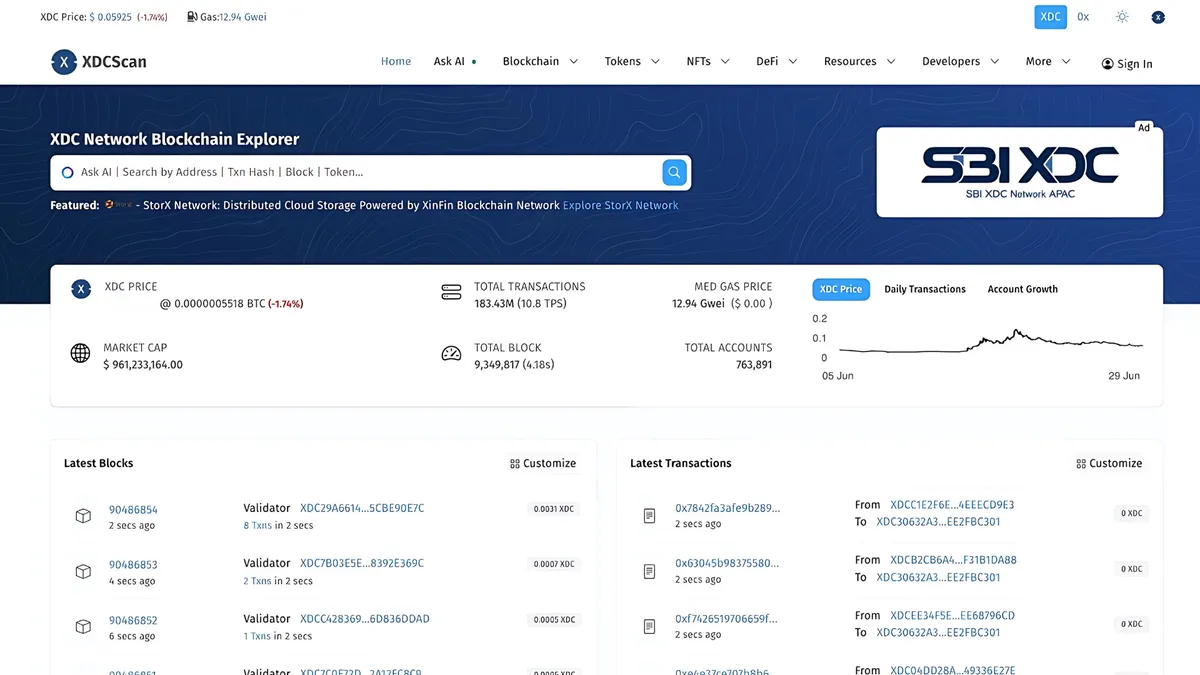
So, where can we feast our eyes upon the details of these blocks in action? You can observe the blocks mined on the XDC Network by visiting BlocksScan’s explorer, accessible at the following URLs: Mainnet: https://xdc.blocksscan.io/ https://xdcscan.io/
Testnet: https://explorer.apothem.network/ https://explorer.apothem.network/
To view all the blocks, navigate to ‘Blockchain <- View Blocks’ in the navigation bar.
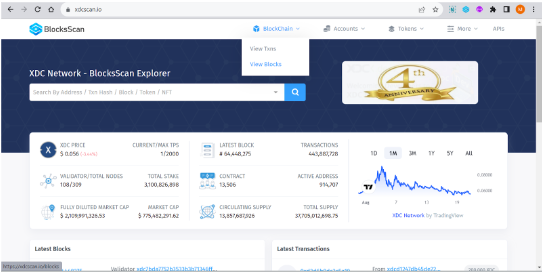
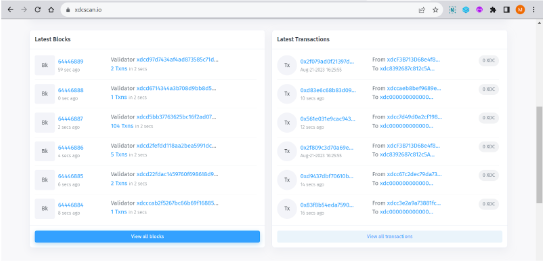
Alternatively, scroll down and click on “View all blocks” in the latest block section. This will present you with a comprehensive list of all the blocks on a single page.
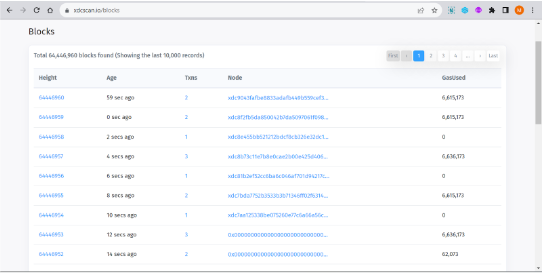
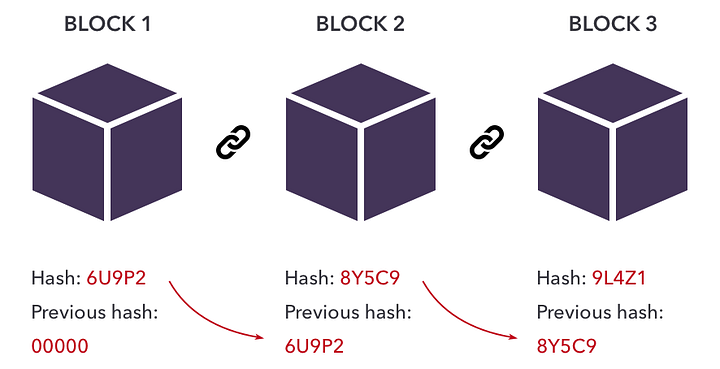
To further explore the details of a specific block, click on its block number. Here’s what you’ll uncover: Height: Denotes the block’s sequential position within the blockchain. Epoch: Represents a specific time window during which a set of blocks is generated. Timestamp: Indicates the exact creation time of a transaction or block on the XDC Network. Transaction: Reveals the count of transactions included in the block. Hash: A unique identifier for a transaction, created using cryptographic processes. Parent Hash: Refers to the hash of the previous block, forming the fundamental chain of blocks. Validated by: Highlights the entity or validator responsible for confirming and adding the block. Finality: Measures the certainty of a transaction’s permanence and immutability. Size: Reflects the transaction’s data footprint on the blockchain. Gas used: Shows the computational gas consumed during transaction execution. Gas Limit: Sets the upper limit for computational resources allocated to a transaction. Extra data: Additional information that accompanies a transaction, catering to various requirements.
Intrigued by the magic behind blockchain? You’re on the right track. Happy exploring and understanding the mechanics of block creation and validation on the XDC Network, brought to you by BlocksScan!