Curious about Web3 but unsure what terms like blockchain, wallet, crypto, or explorer mean?
This beginner-friendly guide explains the core concepts of Web3 in clear, concise language. Whether you’re exploring the space or preparing to build in it, this video provides the foundation you need to understand how Web3 works.
Watch the Complete tutorial on YouTube: https://youtu.be/irrQiAd_GzM?si=MK3dLkd8eEIEnr7O
What is Blockchain?
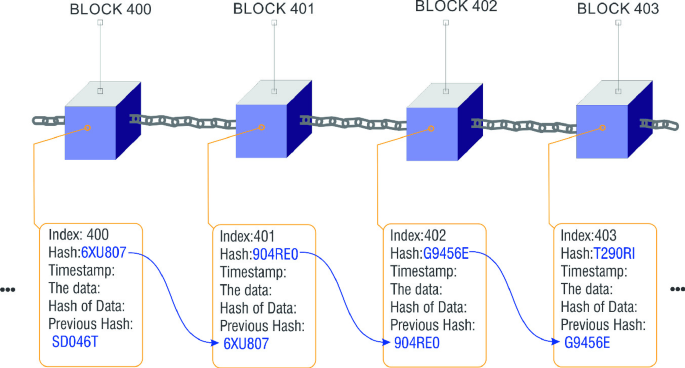
Blockchain is the foundation of Web3. But what is it really? Think of blockchain as a digital ledger — a secure, transparent, and unchangeable record book that stores every transaction. Each block contains data, a timestamp, and a reference to the previous block, forming a continuous, tamper-proof chain. This decentralized structure ensures that no single authority controls the data, making blockchain trustless, censorship-resistant, and verifiable by anyone.
How It Works:
- Every transaction (like sending cryptocurrency) is grouped into a block.
- When full, that block is added to a chain of previous blocks — forming the blockchain.
- Each block is permanent and stored on thousands of computers across the world (called nodes).
Key Benefits of Blockchain:
- Transparency — Anyone can verify the data.
- Security — Data cannot be altered once it’s recorded.
- Decentralization — No central authority controls it.
Blockchain powers cryptocurrencies, NFTs, decentralized apps (dApps), and even identity systems.
Relative shorts: https://youtube.com/shorts/kG5BcbU1XRk?si=FWpCQPfpRXz8Au9T
What is a Crypto Wallet?
A wallet is how you interact with the blockchain. It’s like your personal gateway to Web3.
More than just a tool to store digital assets, a wallet allows you to send and receive cryptocurrencies, interact with decentralized applications (dApps), sign transactions, and manage your digital identity. There are two main types: hot wallets (connected to the internet) and cold wallets (offline for enhanced security). Each wallet is secured by a private key — a cryptographic password that only you should control. With a wallet, you’re not just observing Web3 — you’re participating in it.
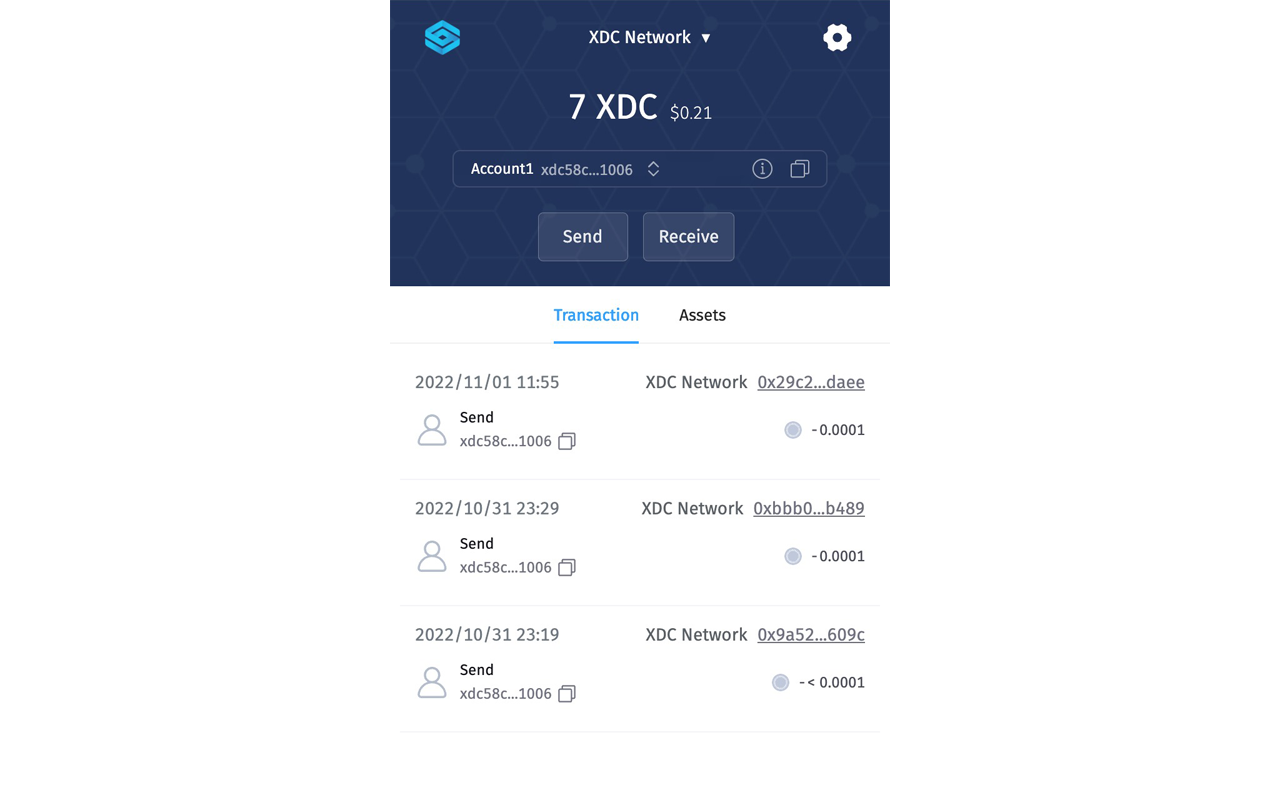
Popular wallets include:
- MetaMask
- Trust Wallet
- XDCPay
- BlocksPay
What Does a Wallet Do?
A wallet doesn’t store your crypto directly. It stores your keys:
Public Key — Your wallet address (you can share this) Private Key — Your secret password (never share this) Your private key proves ownership and signs transactions securely. If you lose it, you lose access — so keep it safe!
Relative shorts: https://youtube.com/shorts/ZjnLyx65Pk8?si=Bx02wO8wzFUrAM4l
What is Web3?
Web3 reimagines the internet as a user-owned network where value and ownership flow directly between individuals.
It introduces new possibilities through smart contracts, token economies, and censorship-resistant platforms.As this new era unfolds, it encourages more open, permissionless innovation across industries.
To understand Web3, let’s look at the evolution of the internet:
Era Description
Web1: Read-only (static websites)
Web2: Read & interact (social media, cloud apps)
Web3: Read, write & own (decentralized apps, assets, identity)
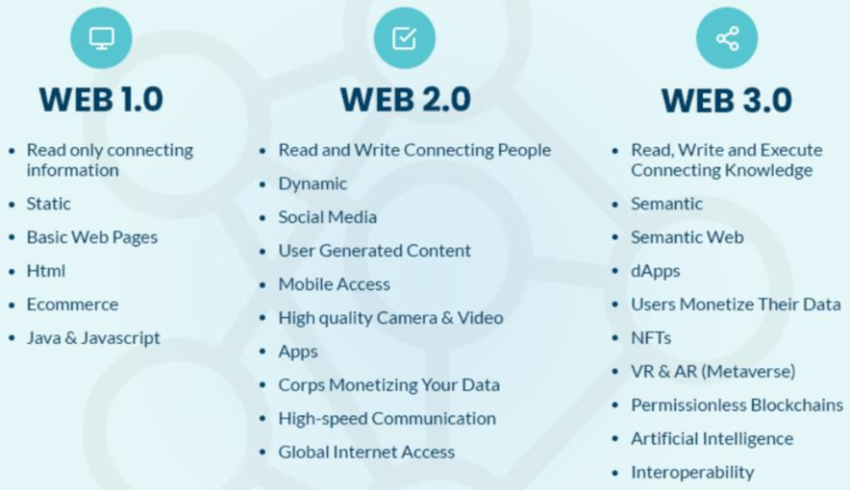
In Web3:
Your wallet is your login — no more usernames or passwords. You own your data, your assets, and your digital identity. Everything lives on the blockchain — not on someone else’s server.
Key Parts of Web3:
- Cryptocurrencies
- NFTs (Non-Fungible Tokens)
- DAOs (Decentralized Autonomous Organizations)
- Smart Contracts
- dApps (Decentralized Applications)
Web3 isn’t just technology — it’s a movement toward a more open, user-owned internet.
Relative shorts: https://youtube.com/shorts/Za7hfIkEv20?si=1EWS1gAqdPS_BAz6
What is a Blockchain Explorer?
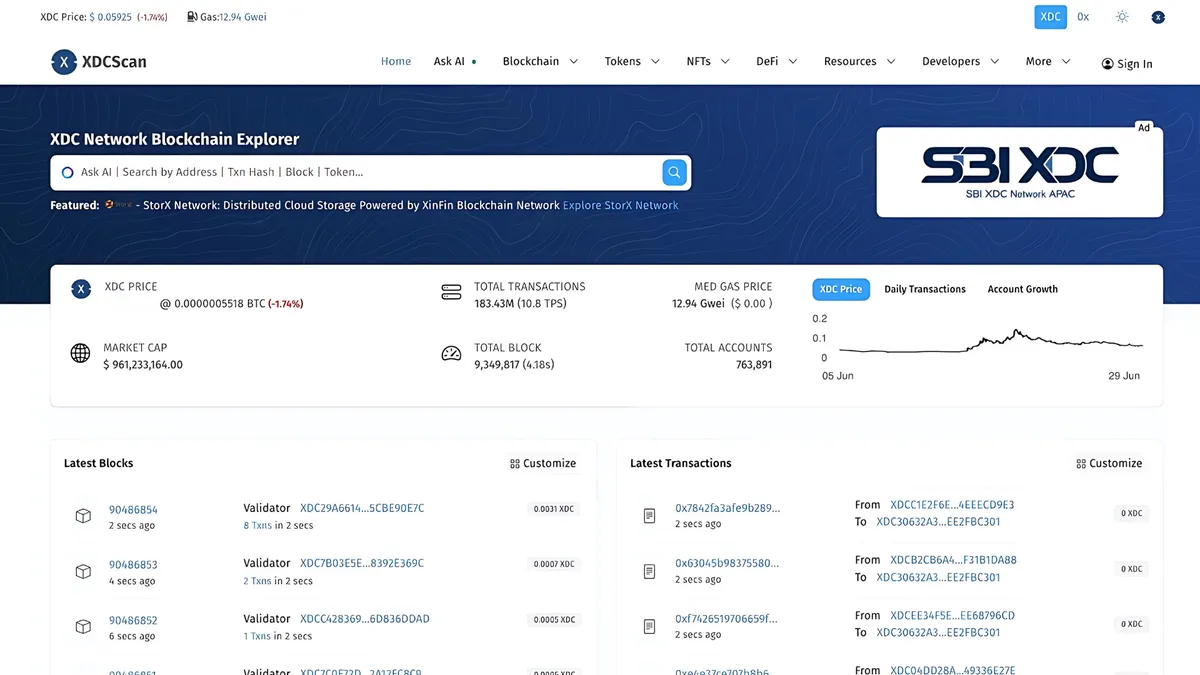
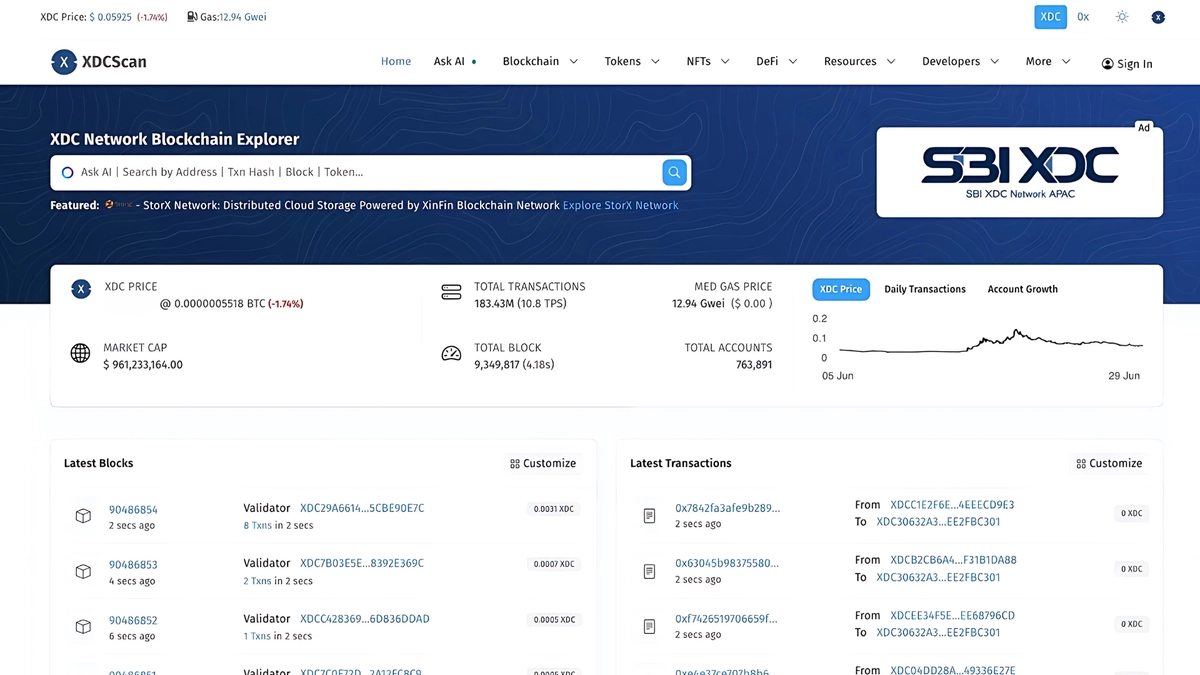
Ever wondered how you can verify a crypto transaction, check a wallet’s balance, or see what a smart contract does? That’s what a blockchain explorer does.
It’s a search engine for blockchain activity — giving you full visibility into what’s happening on-chain.
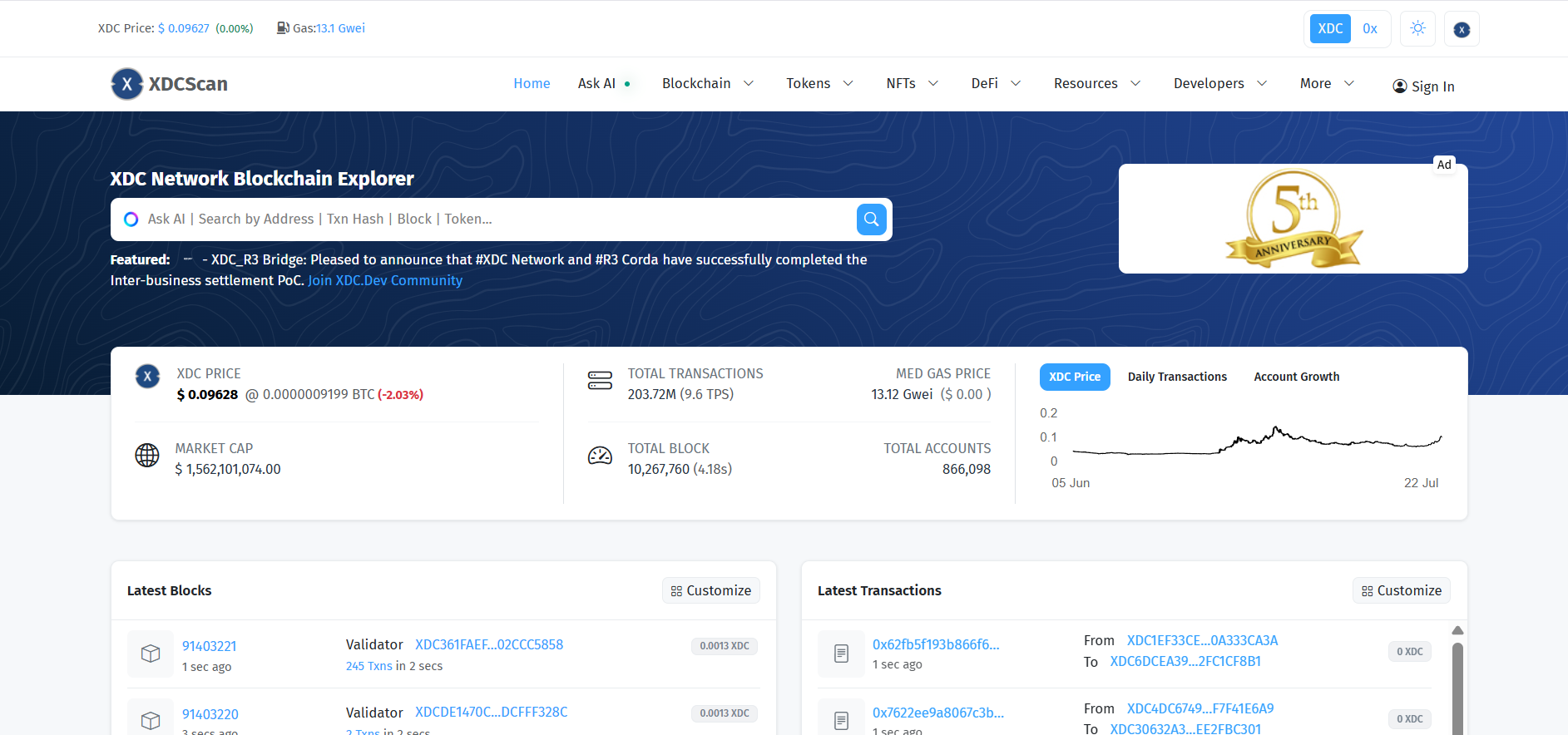 A Blockchain Explorer Lets You:
- Search any wallet address and view its history
- Enter a transaction hash to track crypto transfers
- Explore block details, token transfers, and even smart contract code
Popular Blockchain Explorers:
Explorers are essential tools for anyone looking to learn, build, or track on-chain data.
Relative short: https://youtube.com/shorts/ARLme6fAf-8?si=384U-7h0oN8KqZ03
Final Thoughts: Your Web3 Starter Pack Let’s recap the four pillars of Web3:
- Blockchain — The foundation
- Wallets — Your key to access
- Web3 — A new internet era based on ownership
- Explorers — The tools to navigate it
And if you’re thinking of creating content around Web3 — just start. The space needs more voices and creators. Build your projects and share them on xdc.dev to contribute to the growing Web3 ecosystem.
Related Topics You Might Like:
Please Follow👇